The Best Open Shelving Ideas for Small Apartments and Homes


In a small apartment or home, every design decision has to work harder. Storage can’t just be plentiful—it needs to feel light, intentional, and visually calm. That’s where open shelving shines. When done right, open shelving can make a small home feel bigger, more functional, and more personal—without sacrificing style. Learn why open shelving works in small spaces, the common materials they're made from, the different types available, and the pros and cons of each type. Get inspiration from viewing these open shelving ideas for small apartments and homes.
Why Open Shelving Works in Small Apartments and Homes
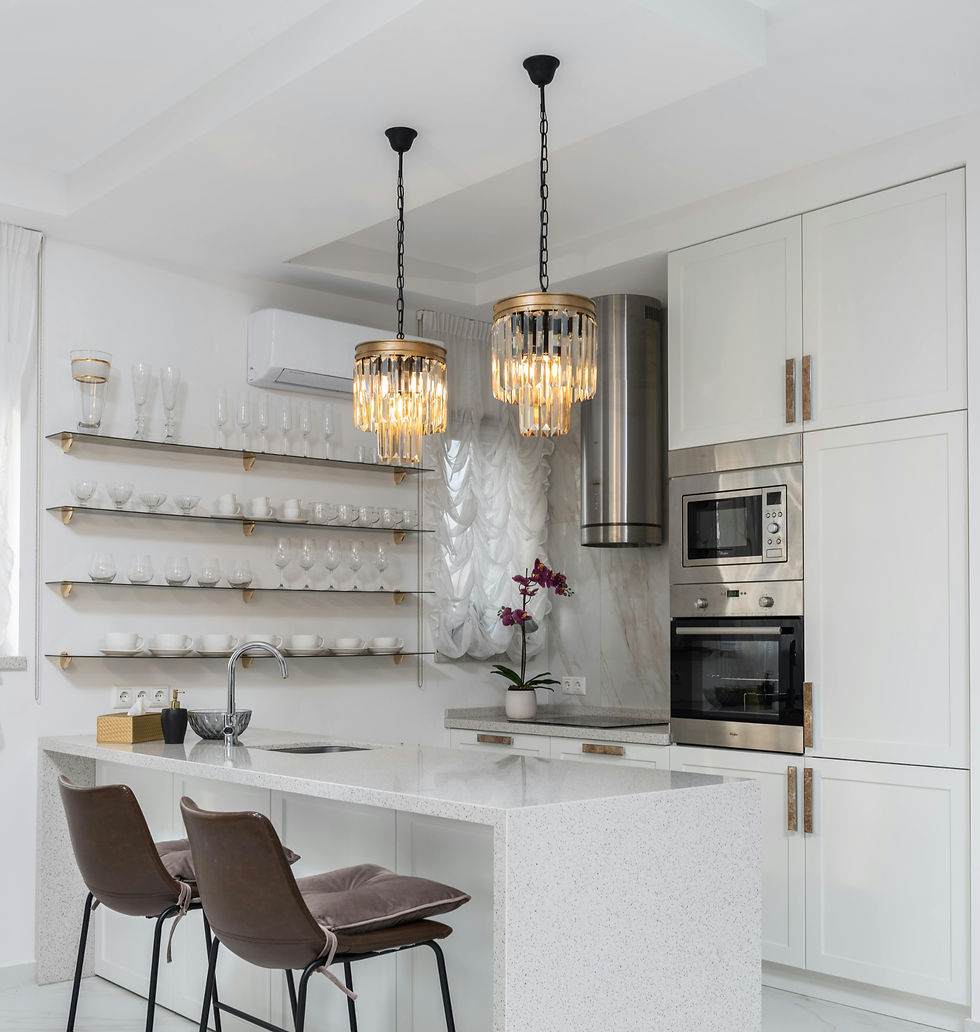
There are many reasons why open shelving works in small apartments and homes, including that it solves real small-space problems with function and visual interest.
Visually Opens Up a Room
Upper cabinets, bulky furniture, and closed storage can make walls feel heavy. Open shelves keep sightlines open, allowing light to travel more freely. This creates the illusion of more space—even when square footage is limited.
Encourages Intentional Living
It encourage intentional living by forcing you to be thoughtful about what you own and display, In small apartments, this is a gift. You naturally edit excess, keep only what you use or love, and avoid cluttered storage zones that quietly spiral out of control.
Adds Storage Without Bulk
Open shelving provides vertical storage without visually shrinking the room. They can be installed practically anywhere, including above doorways, in awkward corners, and on narrow walls.
Blends Function and Decor
Open shelving allows everyday items to become part of the design. Dishes, books, baskets, and plants can serve a dual purpose—functional storage and visual interest.
Common Materials for Open Shelving
Wood is the most common material used for open shelves due to its visual warmth, versatility, and ability to balance function with visual softness in small spaces. It also blends seamlessly into many design styles, and pairs easily with different support types. like metal or wood brackets, concealed hardware, or wall-mounted frames.


Glass is another common material used particularly in display-focused areas and small spaces where maintaining visual openness is essential. Glass shelving allows light to pass through rather than blocking it, thus reducing visual weight. The most common supports for glass shelves include metal brackets, glass clips, and rail or track systems.
Types of Open Shelving
There are many types of open shelving, and the type you choose for your rooms can affect the entire space. Explore the types of open shelving and get inspired!
Floating Shelves

Floating shelves are wall mounted and attach to the wall with hidden hardware, creating a seamless, modern, and clean look, whether single or tiered.
Why they work: Floating shelves feel light and modern, making them ideal for small spaces where visual clutter is the enemy. They’re perfect for displaying curated items rather than heavy storage.
Watch out for: Weight limits. Floating shelves work best for lighter items like dishes, books, or decor—not heavy appliances.

Bracketed Shelves

Bracketed shelves are wall mounted and use visible brackets for support, adding style to the space.
Why they work: Bracketed shelves are sturdier than floating shelves and can handle heavier loads. They also add character—industrial, traditional, or modern depending on the bracket style.
Watch out for: Busy brackets in a small space. Keep the design simple to avoid visual clutter.

Freestanding Shelves/Shelf Units

Freestanding shelves are self-supporting units that stand on the floor without requiring wall mounting or permanent installation. They run vertically from the floor up, and are often anchored to the wall to prevent tipping.
Why they work: Freestanding shelves maximize storage while drawing the eye upward. For those who rent or want to redecorate, these units be moved around relatively easily.
Watch out for: Overfilling. Leave negative space so the unit doesn’t feel overwhelming.

Ladder Shelves

Ladder shelves are also freestanding units that lean against a wall, offering multiple tiers of storage in a stylish, casual manner. They are also often anchored to a wall to prevent the possibility of tipping over.
Why they work: Ladder shelves also provide vertical storage with a small footprint, making them ideal for renters or anyone seeking flexible, non-permanent solutions.
Watch out for: Weight distribution. These shelves are better suited for decor and light storage rather than heavy or frequently used items.

Alcove Shelves

Alcove shelves are attached within recessed wall spaces for a built-in appearance, allowing you to gain functional storage without adding any visual or physical depth.
Why they work: By fitting directly into wall recesses, alcove shelves provide built-in storage that feels intentional and space-efficient without adding depth to the room.
Watch out for: Limited flexibility. Once installed, niches are harder to modify, so careful planning is essential to ensure they meet long-term storage needs.

Corner Shelves

Corner shelves are designed to fit into corner angles, making use of otherwise empty space while increasing storage, all without interrupting flow or crowding the room.
Why they work: Corner shelves turn underused or awkward angles into functional storage without encroaching on valuable floor space, making them ideal for small apartments where every inch counts.
Watch out for: Overstyling. Because corners naturally draw less attention, cluttered or mismatched items can quickly feel chaotic instead of intentional.

Modular/Cubby Shelves

Modular or cubby shelves are made up of cube-like compartments arranged in a fixed or semi-modular configuration. Some systems allow for customization or expansion, while others are designed as single, pre-configured units that cannot be modified. These shelves can be wall-mounted or freestanding and are often used for open storage or as room dividers in small apartments.
Why they work: Cubby shelving provides structured, open storage that helps organize belongings while visually defining zones—making it especially useful in studios or multipurpose spaces.
Watch out for: Limited flexibility in fixed designs and an excess of small compartments can restrict storage options and create visual clutter if not styled intentionally.

Suspended/Hanging Shelves

Hanging shelves are suspended from the ceiling or walls using wires, ropes, or metal rods. They are often used over kitchen islands or bars.
Why they work: Suspended shelves create storage without touching the floor, maintaining openness and airflow—especially useful in kitchens or multipurpose spaces where visual lightness matters.
Watch out for: Stability and clearance. Poor installation or low-hanging shelves can feel intrusive and impractical in tight layouts.

Cabinet Alternative/Open Cabinet Shelves

Cabinet Alternative/Open Cabinets shelves provide the depth and storage capacity of traditional cabinetry, designed with open fronts or with doors removed to create a lighter, more open feel.
Why they work: No cabinet doors instantly lightens the visual load of a kitchen while retaining the structure and storage capacity of traditional cabinetry.
Watch out for: Constant visibility. Contents must stay organized and cohesive, as there’s no door to hide everyday clutter.

Integrated Open Shelves

Integrated open shelves are built as a continuous part of a larger cabinetry or wall system, using the same materials, lines, and finishes so the shelving reads as one cohesive, unified element rather than a separate add-on.
Why they work: Integrated shelving creates a streamlined, custom look that reduces visual clutter—an important advantage in small apartments where too many standalone elements can feel busy or fragmented.
Watch out for: Because integrated shelves are designed as part of a fixed system, they offer less flexibility to modify or move over time, making upfront planning especially important.

Open Shelving Ideas for Small Apartments and Homes: Your Small-Space Solution
Open shelving isn’t just a design choice—it’s a lifestyle shift. In small apartments, it encourages thoughtful curation, reduces visual weight, and transforms storage into an intentional part of your decor. When you choose the right shelving type for each room and style it with restraint, open shelving becomes one of the most powerful tools for making a small apartment feel organized, personal, and spacious.
If you’re working with limited square footage, the goal isn’t to hide everything—it’s to make what you keep work beautifully. Open shelving helps you do exactly that.
For more tips on how to effectively decorate your space, read How to Effectively Decorate with Mirrors and Painting with a Purpose: How to Use Color Intentionally.


