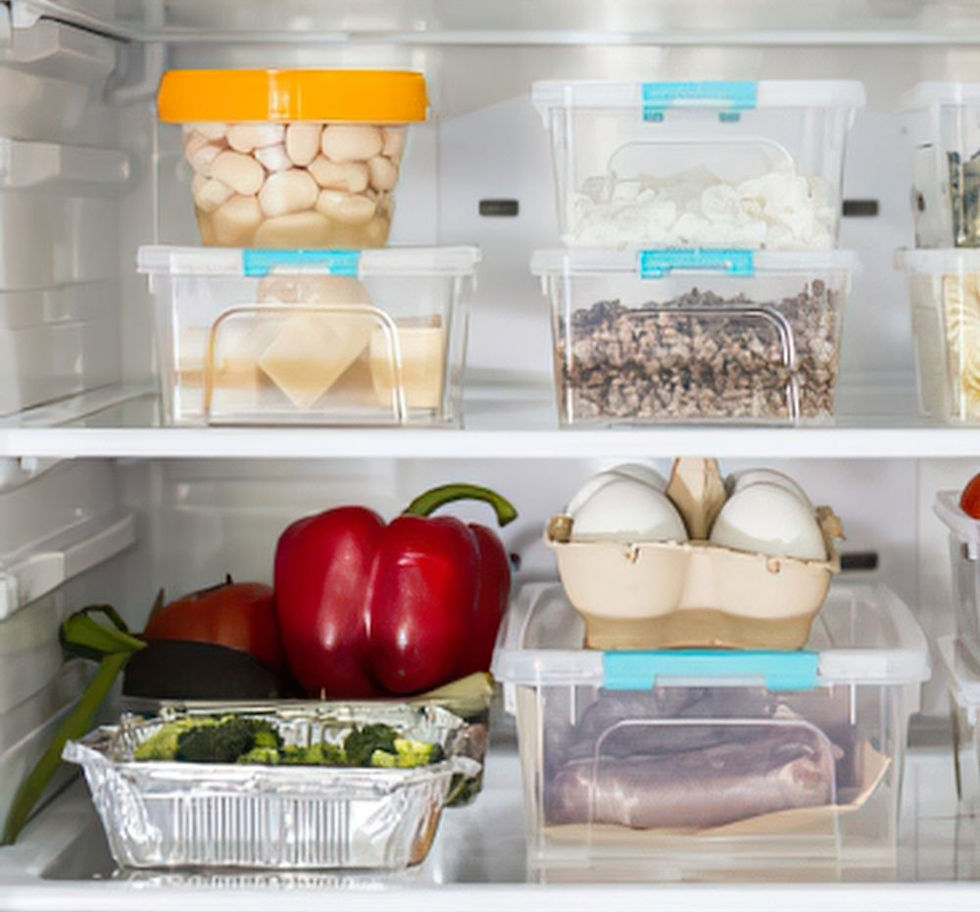
Meal Planning Made Simple: How to Plan Meals When You Don’t Like Meal Planning


If you hear the words “meal planning” and immediately feel overwhelmed, boxed in, or just plain uninterested—you’re not alone. And if you are like me and your life is already full (work, kids, errands, everything else), the idea of adding one more structured task can feel like too much. A lot of people, including myself, want the benefits of meal planning with less stress, fewer grocery store trips, and fewer “what’s for dinner?” moments, without the rigid structure.
The good news is that you can still meal plan in a way that feels flexible and realistic. Instead of planning every meal a week ahead, try these guidelines to creating a simple food system that works for your lifestyle.
Ditch the Full Weekly Plan
If the idea of a full weekly menu makes you want to quit before you start, don’t do it. A better approach is to plan just a few days at a time, or even just your groceries and a handful of meal ideas. This gives you enough structure to stay organized without locking yourself into meals you may not even want by Wednesday. You can still reduce decision fatigue, but with much more freedom.
Create a Short List of Go-To Meals
One of the easiest ways to meal plan without overplanning is to keep a short list of meals you already know how to make. Try making a list of:
3 breakfasts you actually like.
3 easy lunches.
5 to 7 dinners.
A few snacks and backup meals.
This kind of list becomes your personal meal-planning toolkit. Instead of starting from scratch every week, you can simply choose from meals you already know work for you.
The key is to keep these meals easy, repeatable, and flexible.
Shop by Ingredients, Not by Recipes
If recipe-based meal planning feels too strict, switch to ingredient-based planning. Instead of deciding every meal in advance, buy foods that can be used in multiple ways. For example, a rotisserie chicken can become:
Tacos.
Sandwiches.
Salad topping.
Rice bowls.
Soup.
This method makes it easier to cook based on your mood and energy level. It also helps reduce food waste because your ingredients can stretch across multiple meals.
Keep Backup Meals on Hand
Everyone needs a “too tired to cook” plan.
Backup meals save you on days when you are busy, exhausted, or simply not in the mood to make anything complicated. A few easy options to keep in your kitchen might include:
Eggs and toast.
Pasta with jarred sauce.
Frozen dumplings.
Quesadillas.
Soup and bread.
These are the kinds of meals that keep you from reaching for takeout every time you do not feel like cooking. Having them on hand makes your food routine more sustainable.
Plan Only What You Need…and Plan for Leftovers
Meal planning does not have to mean planning every meal, every snack, and every bite. You can keep it simple by planning only:
A few dinners.
Grocery staples.
Lunch ingredients.
Backup meals.
That is often enough to make life easier without making meal planning feel like another chore on your to-do list. When planning for a few dinners, make enough to have leftovers another night, if you’re OK with having leftovers.
Make Meal Planning a Routine, Not a Rule
The best meal plan is the one you will actually use. If your current life does not fit a full week-ahead plan, that is okay. Meal planning should support your routine, not control it. Meal planning does not have to be perfect to be useful. In fact, the simpler it is, the more likely you are to stick with it.