How to Stock a Flexible Pantry So Dinner Is Never Starting from Zero

Updated: Jul 22

It's 6pm and you're tired. You're staring into a pantry that looks full but somehow has nothing to offer. Sound familiar? The issue usually has nothing to do with how much food you have. It comes down to whether you have the right food, the kinds of ingredients that can actually come together into a real meal without a special grocery run or a complicated recipe. A well-stocked flexible pantry of staples solves the problem.
What a Flexible Pantry Looks Like
Before getting into what to stock, it helps to reset expectations about what a flexible pantry actually looks like. It does not need to be perfectly organized with matching containers and labeled shelves (though that's lovely if it works for you). What it needs is a reliable set of ingredients that gives you options. Think of your pantry less like a storage space and more like a toolkit. The goal is to open it on a random Wednesday and be able to put something together without stress.
Stock by Category, Not by Recipe
The most common pantry mistake is buying ingredients for specific recipes and nothing else. You end up with half-used jars, random cans, and nothing that fits together after you made the recipe you planned. A better approach is to stock by category. When each category is covered, you have the pieces to build dozens of different meals.
Grains and Starches Are Your Foundation
This is where most meals start. Rice, pasta, quinoa, farro, oats, bread, and tortillas are the base that everything else builds on. They're filling, affordable, shelf-stable, and endlessly versatile. Keep at least two or three options on hand at any given time. A pot of rice or a pan of pasta can anchor a meal in under 20 minutes, which matters a lot on the nights when you have little energy for cooking.
Canned and Jarred Goods Do the Heavy Lifting
This category is where a pantry of staples really earns its keep. Staples like canned beans, diced tomatoes, coconut milk, chicken or vegetable broth, canned tuna, and jarred items like olives and artichoke hearts are the ingredients that turn a plain grain into an actual, satisfying meal. The key is to choose items that work in more than one context. A can of white beans, for example, can go into soup, get mashed onto toast, or be tossed with pasta and olive oil. Broth can be the base of a quick soup or used to cook rice for extra flavor. Versatility is the whole point.
Sauces and Flavor Builders Make Simple Food Taste Good
A bowl of rice and beans is fine. A bowl of rice and beans with the right sauce or seasoning is dinner you'll actually want to eat. This is the category that gets overlooked most often, but it makes the biggest difference in how satisfying a pantry meal feels. Jarred pasta sauce, soy sauce, hot sauce, a good vinegar, olive oil, curry paste, and salsa are all worth keeping stocked. You don't need every condiment imaginable. A small, intentional collection of flavor builders you actually use is far more valuable than a shelf full of bottles that expired two years ago.
Pantry-Stable Proteins Keep You Covered
Relying only on fresh meat for protein means you're always one skipped grocery trip away from having nothing. Pantry-stable proteins fill that gap. Canned fish like tuna, salmon, or sardines, canned or dried beans and lentils, nut butters, and shelf-stable tofu all count here. These are not backup options for desperate nights. They're legitimate, nutritious proteins that work in everything from salads and stir-fries to soups and grain bowls.
The Fridge and Freezer Complete the Picture
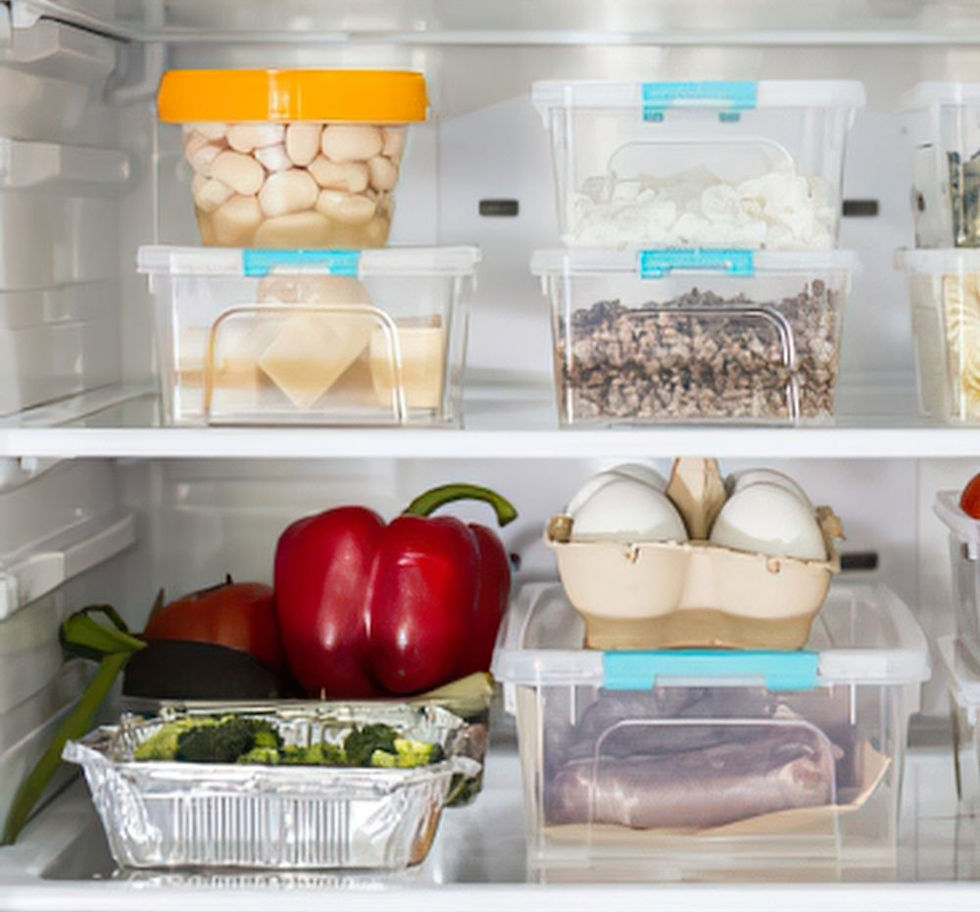
A stocked pantry works best when it has a few reliable partners in the fridge and freezer. These are worth a quick mention here because they're what turn pantry ingredients into finished meals. In the fridge, eggs and butter (or butter substitute) are the most versatile items you can keep on hand, along with shredded cheese, a few condiments, and whatever fresh vegetables you picked up that week. In the freezer, a bag of frozen vegetables, some shrimp, and frozen dumplings or pierogies give you fast, flexible options that require almost no planning. Together, these items and your stocked pantry cover most of what you need to get dinner on the table without starting from scratch. Stocking your fridge and freezer with intention is a whole topic on its own, which is covered here.
Honorable Mention: Snacks Deserve a Spot Too
A well-stocked pantry isn't only about dinner. Having a dedicated snack section, even just one small shelf or basket, makes a real difference in how smoothly your day runs. Nuts, crackers, chips, popcorn, granola bars, and dried fruit are the kinds of things that keep you from raiding the fridge or standing in the kitchen looking for something to eat between meals. They're also lifesavers when kids get home from school hungry and dinner is still hours away. Keeping snacks visible and easy to grab means people are less likely to tear through your carefully stocked pantry looking for something to munch on. A snack shelf is a small thing that quietly does a lot of work.
Restocking Does Not Have to Be a Project
The only way a flexible pantry stays useful is if you actually maintain it, and that does not have to be complicated. Keep a running list somewhere easy to access — a notepad on the fridge, a note on your phone, whatever you'll actually use — and add to it when you notice something is running low. Before a grocery trip, take a quick look at your pantry and cross off anything that needs to be replaced. A loose "one in, one out" habit helps too: when you use the last can of something, it goes on the list. That's the whole system. No spreadsheets, no inventory audits, no reorganizing required.
A Stocked Flexible Pantry Is a Gift to Your Future Self
The version of you who gets home tired on a Thursday night will be very glad that the version of you who went grocery shopping over the weekend thought ahead. A well-stocked pantry of staples removes the friction between you and a decent meal. It means you're rarely starting from zero, even when the day didn't go as planned. Start with one or two categories and build from there.
To learn more about meal planning for your newly-stocked flexible pantry, read Meal Planning Made Simple: How to Plan Meals When You Don’t Like Meal Planning. Learn more about entertaining with the meals you plan in How to Successfully Entertain in Your Small Home (with printable Hosting Checklist).
For more simple, practical tips for making home life easier, SUBSCRIBE HERE to get the latest posts delivered to your inbox.