How to Stock Your Fridge and Freezer for Easy, Stress-Free Meals

Updated: Oct 1
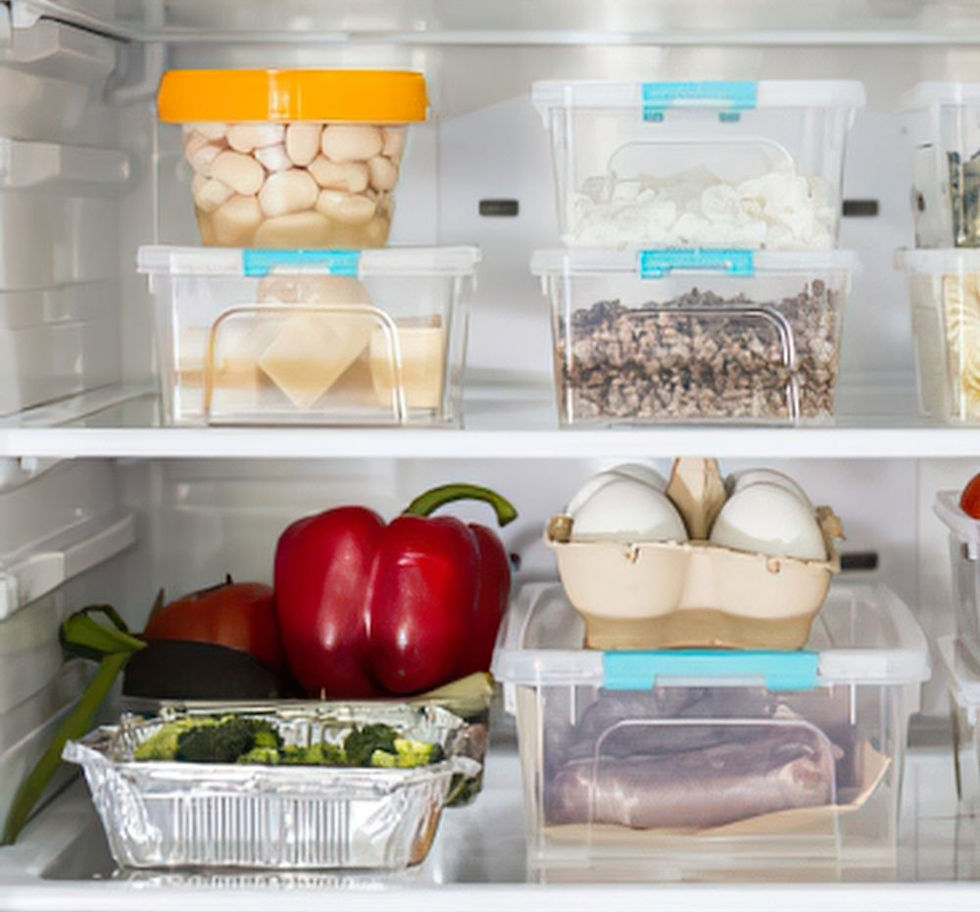
I like to eat well, but I don't like to spend a lot of time in the kitchen. If you're the same way, then being intentional about what goes into your fridge and freezer is one of the most practical things you can do. Most of us land somewhere in the middle of organized and chaotic: a mix of last week's leftovers, a few random condiments, and whatever survived the produce drawer. Knowing how to stock your fridge and freezer with purpose changes that. It doesn't mean buying more food. It means buying the right food in a consistent, repeatable way so that your options are predictable, your meals are easier to pull together, and dinnertime feels a lot less like a guessing game.
Start with Fridge Staples That Work Across Many Meals
The most useful fridge staples are the ones that show up in multiple meals throughout the week, not just one recipe. Eggs are the single most versatile item you can keep on hand. They work for breakfast, lunch, dinner, and everything in between. Butter (or butter substitute like my family uses), a block of cheese or bag of shredded cheese, plain Greek yogurt, and a carton of broth round out a solid base. For those who are lactose intolerant (like some in my family), make the appropriate substitutes for the products containing dairy. These are not exciting items, but they quietly make almost everything better and faster.
Fresh Produce That Actually Gets Used
The produce drawer is where good intentions often go to die. The trick is to buy fresh vegetables and fruit with a plan for how each one will be used, even if that plan is loose. Stick to a short list of produce you actually cook with regularly. Onions and garlic are foundational and last longer than most vegetables. A bag of salad greens, a few bell peppers, and whatever is in season locally gives you flexibility without the risk of a drawer full of forgotten zucchini. If you find fresh produce goes bad before you get to it, that's a signal to shift more of your vegetable staples to the freezer.
Condiments and Dairy That Earn Their Shelf Space
A fridge door full of half-used condiments is a common problem, and it tends to build up slowly over time. The goal is to keep a curated set of condiments that you actually reach for: a good mustard, mayonnaise, soy sauce if you don't keep it in the pantry, hot sauce, and salad dressing. For dairy, beyond the basics already mentioned, a container of sour cream or cream cheese adds a lot of flexibility to quick meals. As mentioned above, substitute the dairy if you’re lactose intolerant (or, you can take lactase enzyme supplements). These items don't need to take up much space, but they do need to be things you'll actually use before they expire.
Fresh Proteins Anchor Your Weekly Meals
Fresh meat and other refrigerated proteins are what most weeknight dinners are built around, so keeping a reliable rotation on hand matters. A package of chicken thighs or breasts, ground beef or turkey, and a piece of fish or two cover a wide range of meals and cooking styles. Beyond meat, deli turkey or ham is worth keeping stocked for quick lunches that don't require any cooking at all. Tofu is another refrigerator protein worth having if you cook meatless meals, since it absorbs flavor well and works in everything from stir-fries to scrambles. The key with fresh proteins is to buy only what you'll realistically use within a few days, and to move anything you won't get to in time into the freezer before it goes bad. That simple habit alone cuts down significantly on food waste and keeps your options open.
The Freezer Is Your Most Underused Kitchen Tool
A well-stocked freezer can save dinner on more nights than you'd expect, and most people underestimate it. The freezer keeps proteins on hand without the pressure of a use-by date, and it holds vegetables that are just as nutritious as fresh with none of the spoilage risk. I have a very well-stocked freezer and cook vegetables from it several times a week. Think of your freezer as a slow-moving pantry that handles the things your fridge can't hold long enough.
Freezer Proteins Give You a Reliable Backup
Frozen chicken thighs or breasts, ground beef or turkey, shrimp, and salmon fillets are the proteins worth keeping stocked in your freezer and the ones I always have. They thaw relatively quickly, work in a wide range of meals, and remove the pressure of needing to cook fresh meat within a day or two of buying it.
Frozen Vegetables Belong in Every Freezer
Frozen vegetables are picked and frozen at peak freshness, which means they're often more nutritious than the fresh vegetables that have been sitting in a grocery store bin for several days. A bag of frozen broccoli, peas, corn, edamame, and a stir-fry vegetable mix give you an easy way to add vegetables to almost any meal with no chopping and no waste. They pair directly with your pantry grains and sauces to build quick, complete meals on nights when the fridge is running low.
Keep a Few Freezer Shortcuts on Hand
Beyond proteins and vegetables, a small selection of freezer shortcuts can rescue the nights when cooking feels impossible. Frozen dumplings, pierogies, or a bag of frozen ravioli can become dinner in 15 minutes. I keep a constant supply of frozen meatballs and chicken fingers that cook very quickly in the air fryer in 10 minutes or less. A loaf of frozen bread or a package of dinner rolls means you always have something to serve alongside soup or a simple salad. Having these items tucked in the freezer means you have options on days when you don’t feel like cooking.
A Simple Fridge and Freezer Restocking Habit Keeps It Working
Stocking your fridge and freezer with intention only works if you maintain it, and that doesn't require a complicated system. Before your weekly grocery trip, take two minutes to check both. Note what proteins are running low, what produce needs replacing, and whether any of your freezer staples have been used up (note to always label freezer items with the date you froze them). Keeping a short, consistent grocery list for these items makes it easy to replenish without having to think too hard. The goal is a rhythm, not a rules list.
Your Fridge, Freezer, and Pantry Are a Team
When your pantry, fridge, and freezer are all stocked with intention, the question of what's for dinner gets a lot easier to answer. Each one covers what the others can't. Pantry staples provide the base, fridge staples add freshness and protein, and the freezer fills the gaps when life gets busy. Together, they give you a kitchen that's ready to support you on both the good days and the hard ones.
If you missed the pantry post that pairs with this one, read How to Stock a Flexible Pantry So Dinner Is Never Starting from Zero. To learn more about meal planning, read Meal Planning Made Simple: How to Plan Meals When You Don’t Like Meal Planning.
For more simple, practical tips on making home life easier, SUBSCRIBE HERE to get new posts delivered straight to your inbox.


